Full List of What is Allowed and Not Allowed in Your Dumpster
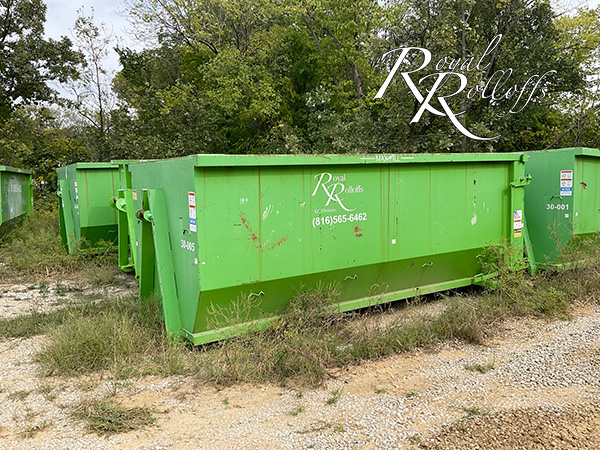
When planning a cleanup or renovation project around Independence, MO, being aware of acceptable and prohibited items is essential. It often surprises people to learn that some waste requires special handling. Being informed keeps your project on track, extra expenses, and dangerous situations on the worksite. At Royal Rolloffs, our goal is to make disposal straightforward by showing you what you can load and what requires special handling. This information allows you to maximize your rental and avoid problems.
Responsible disposal goes beyond simply getting rid of junk. It ensures compliance with local and federal regulations, creates a safer environment, and promotes sustainability. By learning what items belong in a dumpster and which ones require special handling, you can keep your project running smoothly from start to finish. This article covers common categories of waste, shows what to avoid, and provides helpful tips for sorting debris before loading your container.
General Household Items and Clutter
Most household junk and general debris can be safely placed in a dumpster rental. Furniture, textiles, toys, paper goods, and general garbage can be disposed of together. These are the materials most frequently found in residential dumpsters. If you are cleaning out storage areas such as garages or attics, these are typically the first items to go into the container. Organizing waste allows you to fit more and load safely.
Construction leftovers like wood scraps and roofing materials are allowed. They often come from improvement projects. Load heavy items first and break apart large debris for better space use. Doing this stabilizes the contents and makes it easier to add lighter waste above. Loading carefully means fewer trips and a cleaner worksite.
Landscaping Debris and Outdoor Waste
Leaves, branches, and other garden waste are allowed. Homeowners use dumpsters for landscaping projects, seasonal cleanups, and storm debris removal. Keeping yard debris separate from other materials helps with disposal and ensures that the waste is handled according to local composting or recycling regulations. We encourage customers to remove large roots or stumps if possible, as they may be subject to special processing.
You can dispose of decks, fencing, and old patio furniture if safe to handle. Wood should be free of lead-based paint or creosote, as those materials may require different disposal methods. Bricks and concrete are fine but should be placed carefully for even weight. Weight distribution keeps the dumpster within legal hauling limits.
Items That Cannot Be Placed in a Dumpster
Not everything belongs in a dumpster, and certain materials are restricted for safety and environmental reasons. Hazardous waste, such as paint, chemicals, pesticides, oil, gasoline, and solvents, cannot be disposed of in this way. These substances can leak or react, creating dangerous conditions for waste handlers and the environment. Your local hazardous waste program can direct you to the right facility.
Units with refrigerants require special preparation before being loaded. Bulbs and batteries cannot go into general trash due to hazardous materials. Sharps, medical debris, and hazardous soil must not be disposed of in a dumpster. Knowing the rules beforehand keeps your rental compliant.
Construction and Demolition Debris
Jobsite containers are ideal for debris created during building and demolition work. Items like framing lumber, siding, and scrap metal can go into the dumpster together. Grouping debris by category helps reduce landfill waste and supports sustainable disposal. We coordinate with project managers to make sure construction materials are disposed of properly.
Demolition projects can create piles of plaster, broken tile, and window frames. Safe materials can be included but asbestos must be excluded. Asbestos requires professional testing and abatement before loading. Careful planning before demolition begins helps avoid delays and keeps the jobsite safe for everyone involved.
Managing Heavy Debris Safely
Heavy materials such as concrete, dirt, rocks, and asphalt can be disposed of in a dumpster, but they require special handling. These materials quickly add weight, and overloading can make the container roll off dumpster rentals near me Independence MO unsafe for transport. Keep track of the volume and weight of dense debris to stay compliant. Sometimes extra containers are required for safety.
During excavation or yard work, place dirt and rock evenly. This prevents damage to the dumpster and reduces the risk of issues during pickup. Contacting our team in advance about the type of heavy materials you plan to dispose of allows us to recommend the best approach. Planning ahead ensures that the container is used safely and efficiently for your project needs.
Eco-Friendly Disposal and Recycling
Responsible disposal helps maintain a healthy community and ecosystem. Separating recyclables and avoiding prohibited items helps minimize landfill waste. Royal Rolloffs supports eco-friendly disposal practices by working with local facilities to handle materials responsibly. Our dedication preserves the cleanliness of Independence, MO, for years to come.
When customers take time to separate recyclables like metal, cardboard, and certain plastics, it makes the disposal process more sustainable. It benefits both the environment and the disposal process. Royal Rolloffs provides guidance on best practices for waste sorting to make the process straightforward. Following these practices keeps you compliant and eco-friendly.
Getting the Most from Your Dumpster Rental
Understanding what belongs in the container keeps your project organized. People throughout Independence, MO, count on Royal Rolloffs for expert guidance and quality dumpsters. When you follow these steps, your jobsite stays organized and on schedule. Our mission is to make waste removal easy and safe for all projects. From residential cleanouts to commercial builds, we support your waste disposal requirements.